
Services
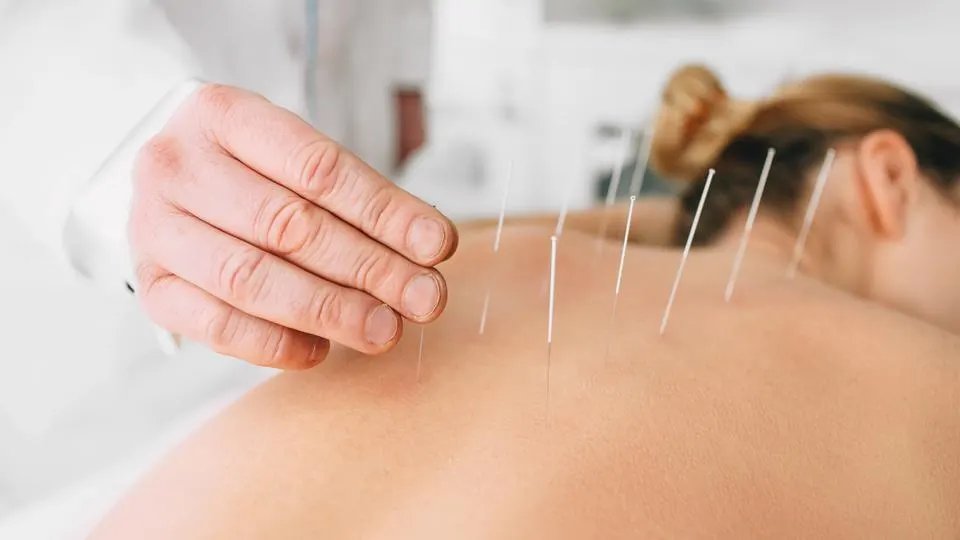
Acupuncture for pain
Acupuncture has been practised for thousands of years. During treatment, the practitioner inserts very fine needles into the skin at selected points. In traditional Chinese medicine, these points are described as lying along pathways called meridians. Stimulating acupuncture points may affect the central and peripheral nervous systems and promote the release of naturally occurring substances, such as endorphins and enkephalins, which are involved in pain relief.
We have extensive experience using acupuncture and cupping to help manage a wide range of pain complaints, including headaches, neck pain, shoulder and upper back pain, lower back pain, sciatica, knee pain, tennis elbow and pain in the soles of the feet. We tailor treatment to each person and aim to provide relief as promptly as possible.
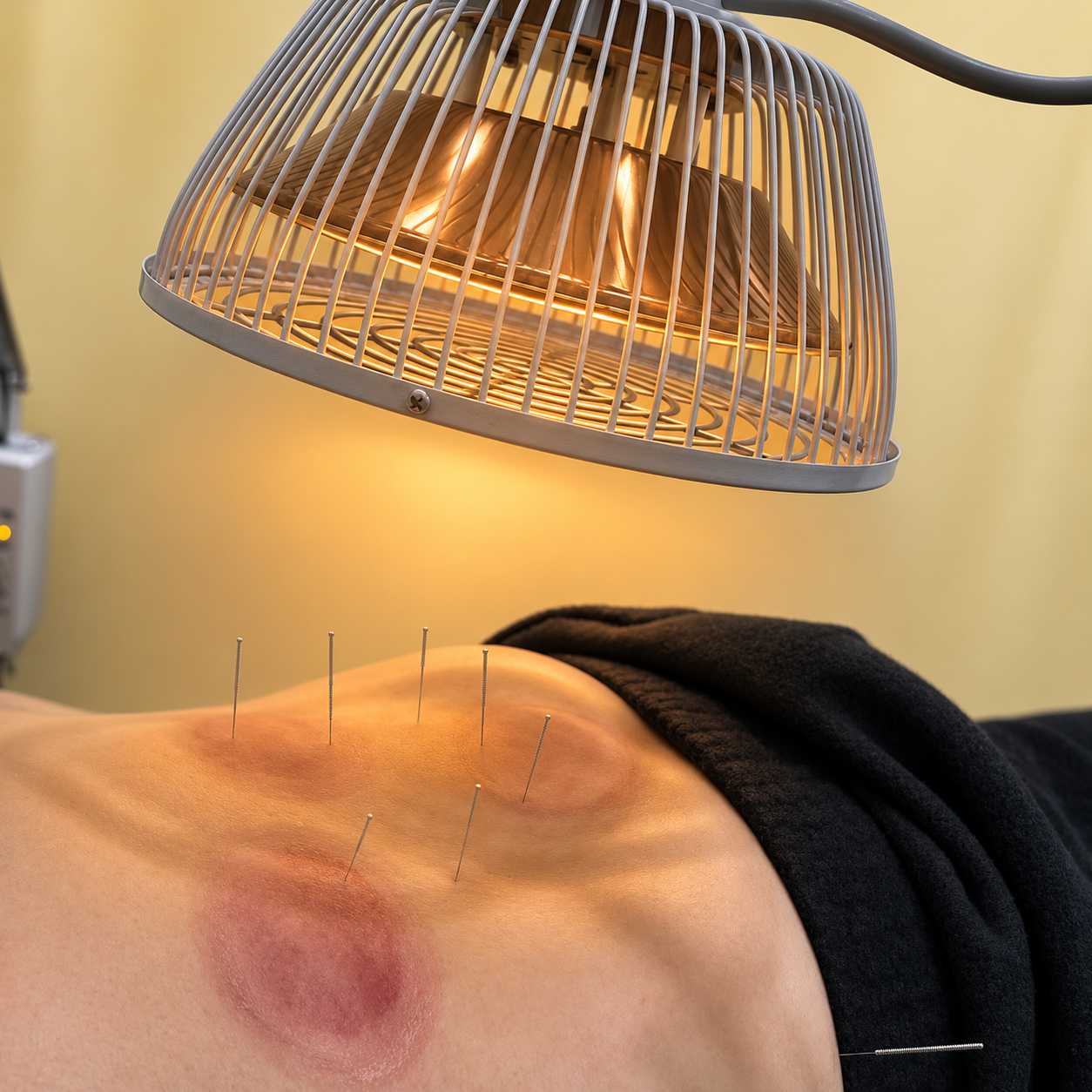
Acupuncture for Skin Conditions
We provide complementary care for people with skin concerns such as eczema, dry and cracked skin, psoriasis, allergic skin reactions and peeling skin.
We use cupping, acupuncture and heat-based therapy to address what traditional Chinese medicine describes as excess dampness in the body.
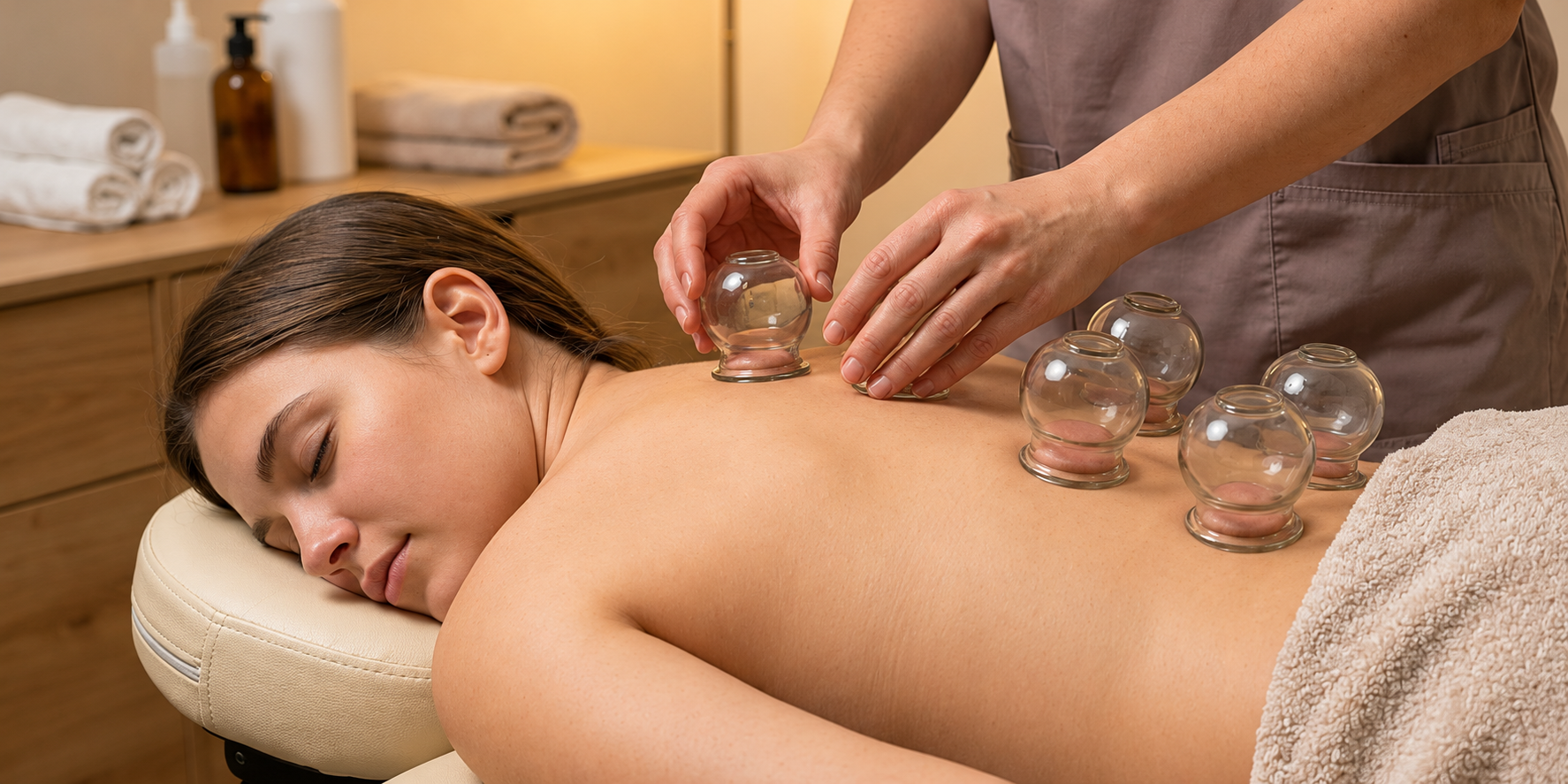
Acupuncture for Respiratory Conditions
People who are prone to allergies may experience allergic rhinitis, allergic dermatitis or coughing.
We offer acupuncture, fire cupping and heat-based therapy as complementary care. Depending on the symptoms, we may also use nasal sprays for allergic rhinitis or skin ointments to help relieve discomfort.

Acupuncture and General Wellbeing
During an acupuncture consultation, we take time to listen to concerns such as low mood, difficulty sleeping or digestive discomfort and discuss how complementary care may fit alongside your usual care.
What the research says
- Depression. A primary-care trial found lower symptom scores after three months when acupuncture was added to usual care. The trial did not include a sham acupuncture group. Depression trial
- Insomnia. In a trial of electroacupuncture, insomnia scores improved compared with usual care. At four weeks, the main outcome showed no clear difference compared with sham treatment. Insomnia trial
- Digestive symptoms. A pilot trial for diarrhoea-predominant irritable bowel syndrome (IBS) found no clear difference between acupuncture and sham treatment. NICE does not recommend encouraging acupuncture for IBS. IBS trial · NICE guidance
If low mood, sleep problems or digestive symptoms persist, speak with your GP about assessment and treatment options.
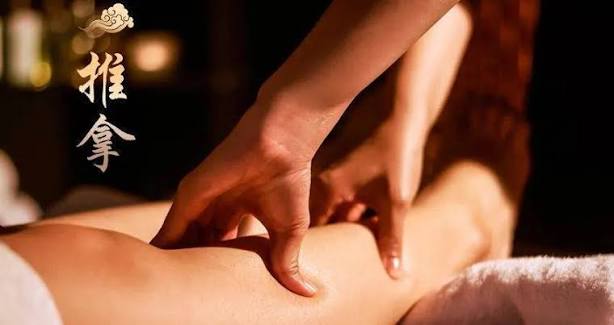
Tui Na: An Ancient Chinese Massage Technique
Tui Na is pronounced ‘tweena’. ‘Ancient massage that will rock and roll away your pain’ is derived from the Chinese words ‘Tui’ meaning to push and ‘Na’ meaning to grasp, two techniques fundamental to traditional Chinese medical massage and medicine. It is a deep, vigorous form of bodywork. The subtle variation of direction and force that can be brought to bear on each chi point is one of the unique features of Tui Na massage. Every chi point has an effect on chi movement when it is intensely stimulated with pressure. An expert Tui Na practitioner will be aware of which combination of these points to use when treating specific problems.
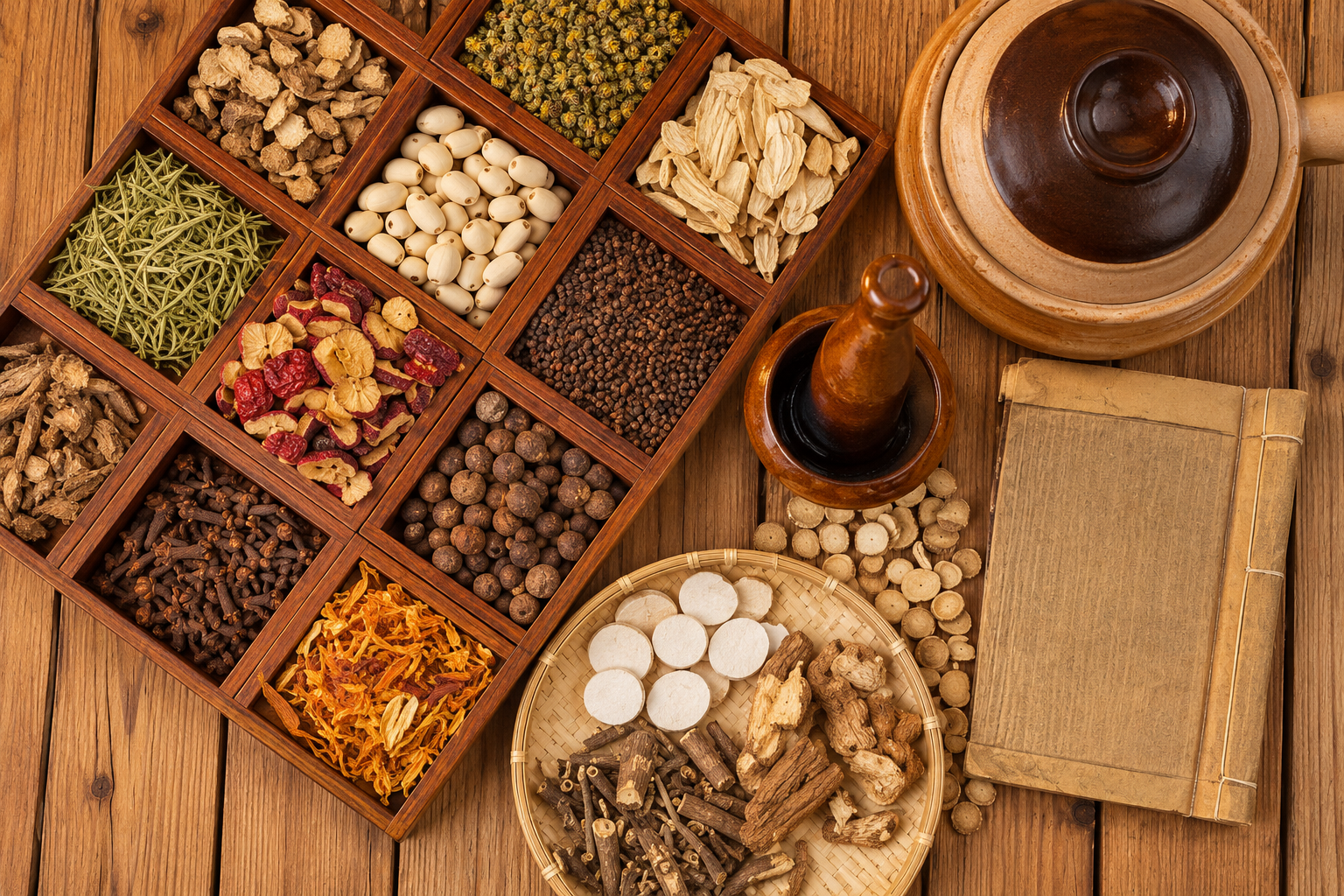
Chinese Herbal Medicine
We may use Chinese herbal medicine alongside acupuncture or other treatments as part of a care plan for short-term or long-term concerns.
We offer Chinese herbal pills, herbal skin ointments and nasal sprays for allergic rhinitis.